The Ultimate Comprehensive Guide for Video Surveillance Installation in Pittsburgh
In an era where security is paramount, understanding the intricacies of video surveillance installation is essential for businesses in Pittsburgh. With the rapid advancements in technology, the landscape of video surveillance is continuously evolving, offering enhanced features and functionalities that were unimaginable a few years ago. This guide aims to equip business owners and facility managers with the knowledge they need to make informed decisions regarding video surveillance systems tailored to their specific needs.
Video surveillance is not merely about setting up cameras; it's about creating a robust security infrastructure that can deter crime, enhance safety, and ensure peace of mind. As crime rates fluctuate and technology progresses, Pittsburgh businesses must adapt their security strategies to incorporate state-of-the-art surveillance solutions. This comprehensive guide covers everything from the initial planning stages to installation, maintenance, and ongoing support, ensuring that every facet of video surveillance installation is addressed.
Moreover, as business owners and facility managers delve into the realm of video surveillance, they will encounter various options, technologies, and services available in the market. This guide will demystify the process, providing insights into the latest trends, essential components, and critical considerations that accompany the installation of video surveillance systems. By the end of this guide, readers will be equipped with actionable knowledge to enhance their security infrastructure effectively.
Understanding the Importance of Video Surveillance
Video surveillance serves as a powerful tool for enhancing security in any business environment. It not only acts as a deterrent against theft and vandalism but also plays a critical role in monitoring employee behavior and ensuring compliance with safety regulations. Businesses that invest in quality video surveillance systems often report a significant reduction in incidents of theft and fraud, leading to increased overall productivity and safety.
Statistically, companies with surveillance systems are less likely to be targeted by criminals. According to a survey by the Security Industry Association, 60% of surveyed businesses indicated that having a video surveillance system reduced their risk of theft. Furthermore, the visibility of cameras can deter potential offenders from committing crimes, as they are aware they are being watched. Therefore, the importance of implementing a comprehensive video surveillance system cannot be overstated.
Beyond security, video surveillance systems can also provide valuable insights into customer behavior, allowing businesses to make data-driven decisions that can enhance service delivery and operational efficiency. For instance, retail businesses can analyze foot traffic patterns and adjust their layouts accordingly, ultimately improving customer experience and satisfaction. The multifaceted benefits of video surveillance extend far beyond mere crime prevention, making it an essential investment for business owners.
Key Benefits of Implementing Video Surveillance
One of the most significant advantages of video surveillance is the peace of mind it provides. Knowing that your premises are under constant watch allows business owners to focus on their core operations without the constant worry of security breaches. Additionally, video surveillance can serve as a powerful tool for employee accountability. When staff members know they are being monitored, they are more likely to adhere to company policies and procedures, fostering a culture of responsibility.
Another compelling benefit is the ability to provide evidence in the event of a dispute. High-quality recordings can serve as crucial evidence during legal proceedings or insurance claims, helping to protect your business from fraudulent claims. This not only saves money but also protects the company's reputation in the long run. Furthermore, modern video surveillance technology includes features like motion detection and remote viewing, allowing businesses to monitor their premises in real-time from anywhere in the world.
Installation Considerations for Video Surveillance Systems
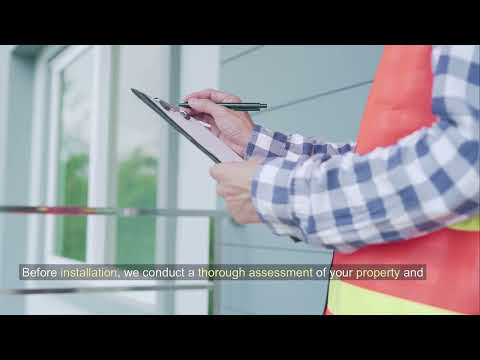
When planning the installation of a video surveillance system, several factors must be taken into account to ensure effectiveness. First and foremost, it is essential to conduct a thorough assessment of the premises to identify vulnerable areas that require monitoring. This includes entry and exit points, parking lots, loading docks, and any other areas where security breaches are likely to occur. Engaging a professional to conduct this assessment can provide valuable insights and help tailor the system to meet specific needs.
Another critical consideration is the choice of camera types and technology. The market offers a plethora of options, including analog, IP, and high-definition cameras, each with its advantages and disadvantages. For instance, IP cameras provide superior image quality and greater flexibility in terms of installation and scalability. Conversely, analog cameras may be more cost-effective for smaller businesses with limited budgets. Understanding the unique requirements of your business will guide the selection of the most suitable camera technology.
Choosing the Right Video Surveillance Provider
Choosing the right provider for video surveillance installation is a pivotal step toward ensuring the success of your security strategy. Look for a company with a solid reputation and extensive experience in the industry. Customer reviews and testimonials can provide insights into the reliability and quality of services offered. Additionally, it’s essential to inquire about the range of services provided, including installation, maintenance, and technical support.
Another important aspect to consider is the level of customization available. A one-size-fits-all approach may not work for every business, as different industries have unique security requirements. A reputable provider should be able to offer tailored solutions that align with your specific needs, ensuring that you get the most value from your investment.
Current Trends in Video Surveillance Technology
The world of video surveillance technology is rapidly evolving, with new trends emerging that enhance the capabilities and functionalities of surveillance systems. One of the most notable trends is the integration of artificial intelligence (AI) into surveillance systems. AI-powered cameras can analyze video footage in real-time, detecting unusual behavior, recognizing faces, and even identifying specific objects. This not only improves security but also streamlines monitoring processes, allowing for faster response times in critical situations.
Another significant trend is the rise of cloud-based storage solutions. Traditional video storage methods often require extensive on-site hardware, which can be costly and challenging to manage. Cloud-based systems allow for scalable storage solutions, enabling businesses to access their footage from any location while reducing the need for physical storage devices. This trend is particularly beneficial for businesses that require remote access to their surveillance footage, providing flexibility and convenience.
Cybersecurity and Video Surveillance
With the increased reliance on digital technology in video surveillance systems comes the heightened risk of cyber threats. Cybersecurity is a critical consideration when implementing a video surveillance system, as hackers may attempt to gain unauthorized access to footage or manipulate camera functions. Businesses must ensure that robust cybersecurity measures are in place, including encrypted connections and secure passwords.
Regular software updates are also essential to protect the system from vulnerabilities. Engaging with a provider that emphasizes cybersecurity as part of their service offerings can help mitigate these risks and ensure that your surveillance system remains secure against potential breaches.
Cost Factors in Video Surveillance Installation
Understanding the costs associated with video surveillance installation is crucial for business owners. The overall cost can vary significantly based on several factors, including the size of the premises, the number of cameras required, and the type of technology chosen. Businesses should also consider ongoing costs such as maintenance, monitoring services, and potential upgrades to the system.
While it may be tempting to opt for the cheapest option available, investing in high-quality equipment and professional installation services can yield significant long-term savings. Quality systems are typically more reliable, require less maintenance, and provide superior performance compared to cheaper alternatives. Additionally, consider the potential losses from security breaches, which can far exceed the initial investment in a robust surveillance system. Nye Video Surveillance
Budgeting for Video Surveillance Systems
When budgeting for video surveillance systems, it is essential to consider both initial costs and ongoing expenses. Developing a comprehensive budget that includes equipment, installation, training, and maintenance will help ensure that no hidden costs arise. It may also be beneficial to explore financing options, as many providers offer flexible payment plans that can ease the financial burden.
Additionally, consider the potential return on investment (ROI) associated with video surveillance systems. By reducing theft and improving operational efficiency, businesses can recover their investment over time. Tracking these benefits can demonstrate the value of the surveillance system and justify the initial expenditure to stakeholders.
Maintenance and Support for Video Surveillance Systems
Once installed, video surveillance systems require ongoing maintenance to ensure optimal performance. Regular checks and updates are essential to address any technical issues and ensure that all components are functioning correctly. Engaging with a provider that offers comprehensive maintenance packages can alleviate the burden on business owners while ensuring that the system remains effective over time. Nye Technical Services
Additionally, training staff on how to utilize the surveillance system effectively is vital. Proper training can empower employees to monitor footage, respond to alerts, and manage the system efficiently. This not only enhances the effectiveness of the surveillance system but also fosters a culture of security awareness within the organization.
Long-Term Considerations for Video Surveillance
When investing in video surveillance technology, business owners should also consider long-term scalability. As businesses grow and evolve, their security needs may change. A well-designed video surveillance system should be adaptable, allowing for the addition of new cameras and features as required. This foresight can prevent the need for a complete system overhaul in the future, saving both time and money. Nye Technical
Moreover, staying informed about emerging trends and technological advancements in video surveillance is crucial. Regularly evaluating the performance of the surveillance system and exploring upgrades can ensure that businesses remain at the forefront of security technology.
Table of Video Surveillance Options
| Camera Type | Advantages | Disadvantages |
|---|---|---|
| Analog Cameras | Cost-effective; easy installation | Lower image quality; limited features |
| IP Cameras | High definition; scalable; advanced features | Higher upfront costs; requires network infrastructure |
| Dome Cameras | Discreet; vandal-resistant; versatile | Difficult to determine camera direction; limited field of view |
| PTZ Cameras | Flexible viewing angles; remote control; high zoom capability | Higher cost; requires more maintenance |
This table provides a comparison of different camera types, outlining their advantages and disadvantages. Business owners should consider these factors when selecting the appropriate video surveillance technology for their needs.
Pros and Cons
- Pros:
- Enhanced security with real-time monitoring capabilities, providing peace of mind for business owners and employees alike.
- Deterrent against crime, as the presence of surveillance cameras can significantly lower the chances of theft or vandalism.
- Improved operational efficiency through data analytics, allowing businesses to make informed decisions.
- Potential for reduced insurance premiums, as many insurers recognize the value of security measures.
- Cons:
- Initial costs can be high, especially for comprehensive systems with advanced features.
- Maintenance and updates are required, which can add to the overall expense over time.
- Privacy concerns may arise, particularly in businesses where employees are monitored closely.
While the benefits of video surveillance installation are significant, it is crucial to weigh these against potential drawbacks. Enhanced security and operational efficiency are compelling reasons to invest in such systems, but initial costs and ongoing maintenance must also be considered. Balancing these factors will help business owners make informed decisions regarding their security infrastructure.
Frequently Asked Questions
- What types of cameras are best for my business?
The best types of cameras depend largely on your specific needs. For example, if you require high-definition footage, IP cameras are ideal. However, for businesses on a tighter budget, analog cameras may suffice. Assessing your security requirements and consulting with a professional can help determine the most suitable options.
- How can I ensure my video surveillance system is secure from cyber threats?
Implementing strong passwords, using encryption, and regularly updating your software can significantly enhance the security of your video surveillance system. Additionally, working with a provider that emphasizes cybersecurity best practices is crucial in safeguarding your investment.
- What are the ongoing costs associated with video surveillance systems?
Ongoing costs may include maintenance, system upgrades, and monitoring services. It's essential to budget for these expenses to ensure the longevity and effectiveness of your surveillance system.
Conclusion
Investing in a video surveillance system is a crucial step for business owners and facility managers in Pittsburgh looking to enhance their security infrastructure. This guide has outlined the importance of video surveillance, the benefits it offers, and the key considerations for installation, maintenance, and ongoing support. By understanding the latest trends and selecting the right technology and provider, businesses can create a robust security solution that meets their unique needs. As security threats continue to evolve, staying informed and proactive in implementing video surveillance measures will be essential for ensuring the safety and success of your business.